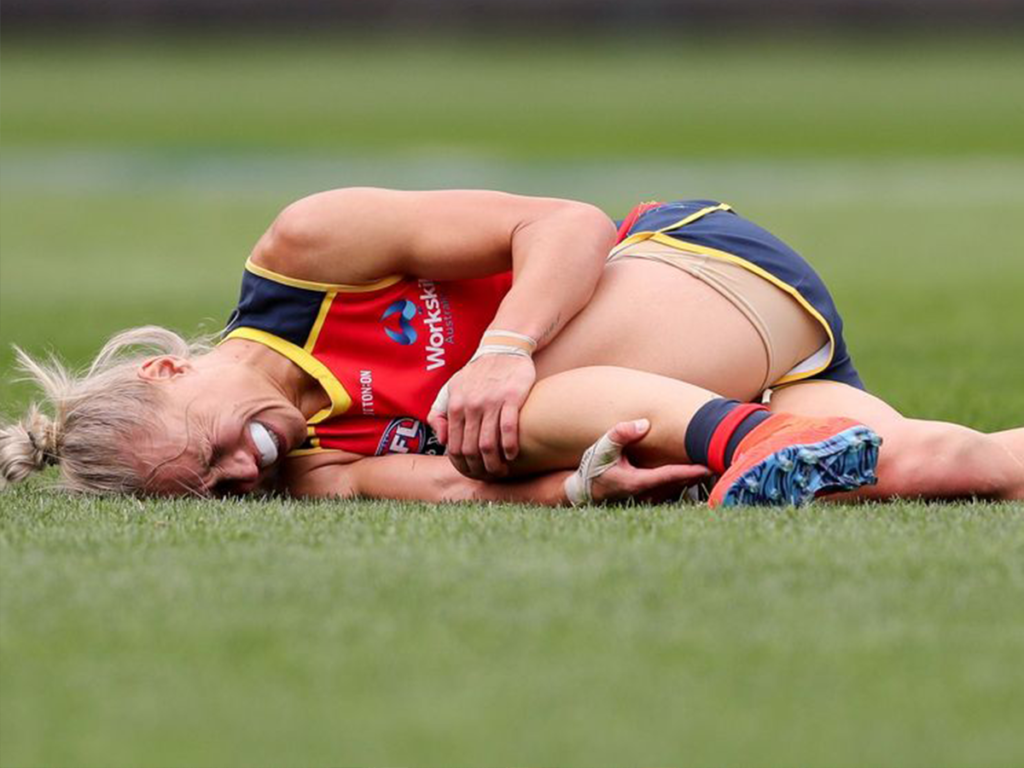
Pain is one of the most usual symptom in emergency care, and https://caidenpsha181.huicopper.com/puaeme008-supply-discomfort-administration-practical-situations-and-study the one that forms an individual's memory of their therapy. I have actually watched a calm triage move spiral into complication since a kid was shaking with discomfort and a parent lost trust in the procedure. I have actually likewise seen a roadway collision victim, properly assessed and medicated early, become a participating partner who might respond to important background. Great pain treatment is not a deluxe, it underpins safety, precision, and dignity. The PUAEME008 Provide Discomfort Management training course is built around that reality.
If you are considering this device for yourself or your group, right here is what it covers, exactly how it fits within Australian prehospital care, what it allows you to do, and what it does not. I will likewise explain who typically requires it, just how the evaluations run, and how to select between short courses suffering administration and wider qualifications.

Where PUAEME008 fits and why it matters
PUAEME008 lives within the Public Safety And Security Training Bundle and is widely used in the emergency services and prehospital context in Australia. It rests alongside systems like PUAEME005 Provide discomfort monitoring (older code) in the legacy pathway and is straightened to functions such as emergency reaction employee, industrial paramedics, occasion medics, firefighters, and some volunteer initial -responders. The core is simple: assess discomfort, pick proper analgesia within your professional range, provide it securely, and monitor impacts and side effects while preserving professional administration standards.
The system exists because absolute pain is not just unpleasant, it has measurable repercussions. Serious discomfort drives tachycardia and hypertension, worsens oxygen demand, and can mask or mimic other signs. Clients in distress are harder to examine for back inflammation, abdominal protecting, and neurological modifications. Early, suitable analgesia makes the remainder of the task simpler, and safer.
What the device actually teaches
Courses mapped to PUAEME008 Give Pain Management are sensible. You do not spend the day in a class memorising receptor subtypes. You discover to apply a basic technique that holds up when the patient is on crushed rock, in a cramped shower room, or seated in a grandstand at 2 am.
The common development starts with a structured analysis. Pain strength is captured with verified tools like the Numeric Ranking Range or the Wong-Baker faces scale for youngsters. Much more importantly, you integrate that score with device, crucial signs, and person aspects like age, frailty, drunkenness, and comorbidities. You discover to try to find red flags, as an example, serious stomach discomfort with safeguarding where you prevent oral medicines that could complicate surgical evaluation, or severe head injury where you require tighter monitoring before rising analgesia.
From there, you relocate right into analgesic choices permitted under your scientific extent and company protocols. In Australia, lots of non-paramedic responders carry inhaled methoxyflurane, occasionally called the "green whistle," since it is fast, acquainted, and has a benign security account when made use of correctly. Some organisations add dental anesthetics, usually paracetamol and ibuprofen, and occasionally aspirin if a cardiac reason is suspected under a breast discomfort method. A smaller number include intranasal fentanyl or IV morphine or ketamine, though those are usually scheduled for higher-scope duties like paramedics or prolonged care medics with extra credentialing.
The PUAEME008 unit shows the secure administration of whichever agents sit in your practice setting. That implies correct application, indicators, contraindications, patient placing, and constant surveillance. It also educates you to expect and manage side effects like hypotension, nausea, sleepiness, and when it comes to opioids, respiratory clinical depression. For methoxyflurane, you learn the maximum dosage limits daily and weekly, and you learn to implement breaks from the inhaler if sedation increases.
Pharmacology is covered at the sensible level you require on scene. As opposed to a deep expedition of GABA or NMDA receptors, you obtain what matters for decision-making: beginning, height, duration, routes, communications, and dangers in prone teams like the elderly, pregnant people, and those with known liver or kidney condition. The course repetitively links medicine selection to context. For instance, a client with a considerable lengthy bone fracture that is nil by mouth awaiting surgery may do well with breathed in analgesia or intranasal options, whereas the individual with moderate to moderate ankle joint sprain could be fine with dental representatives and non-pharmacological measures.
Skills you really use on shift
Much of the knowing lands in the fingers. You exercise sustaining an arm or leg without triggering more discomfort while applying a splint. You discover exactly how to talk a scared person with breathed in analgesia, and how to take the inhaler away nicely when their breathing comes to be superficial. It seems easy until you are doing it with web traffic sound at your back and a partner asking for a blood pressure.
The communication abilities matter. People keep in mind the person who believed their discomfort, not simply the dosage they got. The unit frames this plainly: take a discomfort background that exceeds the number. Ask what functioned previously, inquire about level of sensitivities and allergic reactions, and inform them what to expect. When I clarify to a teenager with a dislocated knee that methoxyflurane will act fast, could taste strange, and that I will certainly ask them to pause for a breather every couple of mins, I get better cooperation and fewer surprises.
Non-pharmacological care is part of the toolkit. Cold packs, altitude, gentle immobilisation, distraction, and coaching in sluggish breathing make medicine go additionally. In older adults, specifically those in jeopardy of delirium, these steps are not attachments, they are safety steps.
You additionally pierce the boring however important parts: checking set numbers and expiry days on analgesic stock, documenting dosages given and individual action, and handing over to paramedics or ED staff with a clear summary that includes the pain analysis prior to and after your treatment. Excellent documents is part of professional governance and component of your lawful protection.
Prerequisites, extent, and where nurses and physios fit
The unit is open to a range of students, but the context is prehospital or austere treatment. The majority of providers anticipate current first aid or progressed first aid proficiency, and many call for a role that includes medical pain management certification decision-making in the area. If you are a registered nurse or physio therapist, the course can still be beneficial, but keep the extent differences in mind.
For nurses, pain monitoring training courses vary commonly. A pain monitoring certificate or pain monitoring accreditation program targeted at nursing will certainly commonly go deeper on chronic discomfort, multimodal routines, opioid stewardship, and acute inpatient methods. If you are an emergency situation division registered nurse, a certificate training course in pain management that blends pharmacology with triage procedures might offer you better than a device focused on -responders functioning outside healthcare facility wall surfaces. If your function includes on-site occasion job or commercial sites with a standalone facility, PUAEME008 offers a clean framework for emergency pain administration and syncs well with your broader registration.
Physiotherapists commonly search for discomfort monitoring programs that address relentless pain, rated direct exposure, and behavior strategies. A prehospital device like PUAEME008 might be an excellent complement for those involved in sports insurance coverage or remote fieldwork where you are the very first clinician to see a severe injury. For routine practice, discomfort administration courses for physio therapists that focus on bone and joint discomfort systems, communication approaches, and exercise-based rehabilitation will give more everyday worth. There is no injury in adding both if you straddle settings, yet choose based upon your most constant scientific demands.
Assessment, circumstances, and what instructors look for
Competency in PUAEME008 is performance-based. Anticipate simulated situations that replicate fractured forearms, shoulder dislocations, burns, and abdominal discomfort. You will be asked to examine, choose an analgesic option within your range, provide it safely, and monitor the result. Many assessors are strict about observation of the client's mindset and respiration after analgesia. You can not just provide a dose and step on.
Written components typically include short-answer concerns pertaining to contraindications, dose ranges, unfavorable results, and the lawful framework for the medicines. Trainers want to see that you understand examining rights of medication administration, approval, and documents. If your organisation utilizes professional technique guidelines, you will certainly be examined versus them. If you do not follow your regional method in the scenario, expect a challenge from the assessor also if your generic plan would certainly be sensible elsewhere.
Common pitfalls include providing breathed in analgesia prior to completing a safety and security move of the scene, forgetting to reassess pain after an intervention, over-reliance on a single device like the NRS without contextual judgment, and bad handover. Great trainers correct these very early. In my groups, I likewise watch for tone. If a student trivialises a person's report of pain because their important indications are steady, we stop the circumstance and check out why that predisposition crept in.
Medications frequently covered and sensible considerations
The drug listing in PUAEME008 Give Pain Management training courses depends upon your service. 3 wide categories appear often.
Methoxyflurane is favoured in many emergency situation reaction settings because it is quick, self-titrated, and simple to carry. You learn to set up the inhaler appropriately, put the energetic carbon filter to limit ambient vapor, and advise the patient plainly. Dosing limits issue. Fitness instructors will pierce you on when to stop, typically after an established quantity or when sedation boosts. Due to the fact that methoxyflurane is metabolised in the liver and eliminated by the kidneys, you find out caution in those with kidney disability, and you take note of communications or previous exposure within a specified time frame.
Oral anesthetics like paracetamol and advil continue to be workhorses. You learn to look for liver disease, anticoagulant therapy, intestinal blood loss danger, and allergic reaction prior to carrying out. You likewise learn the timing of onset so that you do not anticipate instant alleviation. In ambulatory injuries, dental representatives match well with RICE procedures and peace of mind. A common blunder is to supply these too late, when a patient has been in pain for an hour currently. The training course urges very early consideration when it is safe and indicated.
Opioids and ketamine show up in higher-scope atmospheres. If your provider consists of intranasal fentanyl or IV options, expect a heavier focus on monitoring, titration, and damaging occasion monitoring. You require to have naloxone offered and understand when and exactly how to use it. Ketamine protocols vary, but the concepts include dose choice based on whether you are aiming for analgesia or dissociation, anticipation of introduction reactions, and clear interaction with the client and bystanders concerning unusual sensations.
Across all choices, you are shown to layer non-drug measures. Immobilisation and splinting deliver a surprising quantity of relief when done meticulously. Positioning additionally matters. An individual with rib cracks will take a breath less complicated semi-upright, while somebody with thought back injury might endure discomfort better if you sustain neutral alignment and prevent unnecessary movement. Basic warmth or cool therapy can be applied while you prepare medications, and it often gets time.
Documentation, legal aspects, and scientific governance
The device embeds legal and administration requirements. You find out to function under authorized scientific method standards or standing orders. You record indicators, dose, route, time, person reaction, negative effects, and any called for notifications or handover information. Storage space, safety, and recording of scheduled medicines are covered if pertinent to your context. The practical reality is this: every dose you give ought to be reconstructible theoretically later on, with adequate information that one more clinician can understand what happened and why.
Consent and capacity are dealt with. For most analgesics, verbal authorization after a clear description is ideal. When capacity is in inquiry, your decision-making shifts to best interests, but this is uncommon for simple analgesia and more typical in drunkenness or head injury. The training urges you to utilize de-escalation abilities and to include family members or carers when appropriate, while never delaying pain treatment that is plainly suggested and safe.
Clinical governance proceeds after the program. Numerous organisations require routine refreshers, circumstance evaluations, or audits of analgesia usage. If a solution sees a cluster of damaging impacts or documents failures, they may upgrade protocols and bring teams back for targeted training. An excellent pain monitoring certification program constructs this loop in from the start.
How PUAEME008 differs from other discomfort management courses
The training market is crowded. You will certainly see offers for pain monitoring qualification, discomfort management certification programs, and discomfort monitoring courses for nurses or physio therapists. The vital differentiator is context.
PUAEME008 Supply Discomfort Monitoring is an emergency situation pain administration unit with used prehospital emphasis. It has to do with the initial hour, not the tenth day. It prioritises risk-free, fast analysis, fast-acting agents, and continuous tracking in unchecked environments. It assumes you may be functioning alone or with a small team, without immediate accessibility to diagnostics, and often with improvised resources.
By comparison, a certificate course suffering monitoring aimed at hospital medical professionals generally discovers multimodal regimens, chronic discomfort structures, neuropathic pain pharmacology, and opioid stewardship throughout days and weeks. Discomfort management training courses for allied health and wellness may stress interaction methods, rated direct exposure, pacing, and functional recovery. These are complementary, not competing. If your function goes across limits, you might take advantage of both.

Short training courses in pain administration exist for certain particular niches. Event paramedics might take a brief program concentrated on showing off injuries and crowd settings. Industrial responders could add modules on burns or crush injuries. Select based on the client population you in fact see, the drugs you are authorized to make use of, and the professional governance environment you function within.
Who should prioritise this unit
The strongest candidates are those who provide first-line care outside healthcare facilities and are authorized to provide analgesia. Fire and rescue workers, mine site medics, remote location workers, safety medical teams, volunteer emergency situation responders, and some law enforcement medics fit this picture. If your organisation brings methoxyflurane or permits oral analgesics on scene, this system lines up straight with that said practice.
For registered nurses who operate in remote facilities, retrieval support, or on-site commercial health and wellness services, PUAEME008 supplies a useful bridge in between nursing fundamentals and out-of-hospital truths. For physio therapists providing sports protection or exploration assistance, the system includes an emergency layer to your normal skills, though it is not a replacement for paramedic training or state-based medicine authorities.
If you are a hospital-based clinician seeking a discomfort monitoring certification that breakthroughs chronic discomfort competence, look for programs certified by your expert body and recognised by your employer. If you manage inpatient analgesia regimens or add to an acute pain solution, you need depth on intricate pharmacology and systems-level safety and security that PUAEME008 does not intend to provide.
What the evaluations seem like in practice
Scenario assessments are where this device earns its maintain. A normal arrangement could be a simulated office loss with a midshaft humerus fracture. Sound, time pressure, and a distressed spectator are included in mimic actual conditions. You analyze pain, immobilise, choose breathed in analgesia, deliver clear guidelines, screen, and plan for transfer. The assessor notes your interaction, infection control, safe handling of the inhaler, dosage monitoring, and documentation.
Another common situation is a shed from a hot surface. The trap below is to jump to medicines prior to appropriate air conditioning. Trainers intend to see pain decrease through basic procedures first, then pharmacology as required. You also require to think about liquids and the risk of hypothermia throughout prolonged cooling. If you pass the scenario with brightened medicine handling yet miss out on these principles, you will certainly be asked to duplicate it.
A third circumstance attributes abdominal pain. This is an examination of restraint. You collect history, examine for red flags like safeguarding and rebound, and think about whether oral analgesia is suitable. The factor is not to hold back care, it is to choose care that does not obscure a time-critical diagnosis or complicate surgical strategies. You are expected to consult your standard, involve higher-level assistance if readily available, and record clearly.
Picking a high quality provider
Not all pain monitoring training programs are equal. Look for an RTO with existing mapping to PUAEME008, functional hours that are more than token, and instructors that still work in the area. Ask whether the program utilizes your organisation's medical standards or offers layouts that can be adjusted. Review the proportion of learners to trainers, since excellent coaching experiences when a single trainer runs a space of twenty.
Equipment matters. You want to practice with the precise inhalers, atomisers, or IV configurations you will certainly utilize at the office. If the training package resembles it came from a different years, beware. Scenario realism matters too. A silent class can show technique, but sound, necessity, and restricted room educate judgment.
Finally, ask just how they take care of adverse event training. If opioids become part of your extent, naloxone method ought to not be academic. If ketamine is in play, the group should attend to emergence reactions and monitoring. Great companies make these parts routine, not scary.
Beyond the certification: constructing a pain-forward culture
One clinician learnt PUAEME008 aids, however a team that thinks suffering terms from initial contact to handover modifications outcomes. On some solutions, we introduced a simple expectation: analyze and videotape discomfort on arrival, at five mins after any type of analgesic, and at handover. The compliance numbers increased promptly, yet a lot more importantly, patients reported really feeling believed. Problems concerning "being ignored" dropped.
If you are a group lead, pull pain out of the darkness. Audit your instances for delays to initial analgesia. Identify patterns, like active weekend breaks or inexperienced responders, and target support. Stock anesthetics where they are easy to reach, not hidden behind 3 locks at the rear of a car. Make splints, ice bags, and positioning help typical tools. Show language that validates pain without promising miracles, since trust fund softens distress even prior to medicine lands.
For medical professionals with wider method, build bridges between acute and persistent treatment. A client with recurring discomfort from sickle cell disease or musculoskeletal problems will certainly benefit from connection in between your emergency pain administration and their longer-term strategy. That could imply a handover note that flags what functioned and what did not, or a follow-up pointer that fits the person's truth, not just the textbook.
The bottom line on PUAEME008 Give Pain Management
If your job includes first-line feedback, PUAEME008 is among one of the most useful devices you can take. It does not attempt to make you a pain specialist. It makes you secure, effective, and regular when it counts. You will entrust a repeatable approach to evaluate discomfort, a clear path to choose and provide analgesia in your extent, and the practices to monitor and document properly.
Treat it as a base layer. Add role-specific modules, whether that indicates discomfort monitoring training for registered nurses focused on inpatient care, pain management courses for physio therapists secured in rehabilitation, or advanced prehospital pharmacology for extensive range medics. Keep exercising, keep auditing, and keep clients at the center of decisions. When discomfort is taken seriously from the initial contact, whatever else in care obtains easier.